

Hip Pain Treatment in Flower Mound, TX
Discover what may be contributing to your hip pain and get a personalized plan to move better, feel stronger, and return to the activities you love.
Get Back to Moving Without Fear
Hip pain can make it difficult to walk, run, squat, climb stairs, exercise, sleep comfortably, or sit for extended periods. You may have tried stretching, resting, medication, or avoiding certain movements, only for the pain to return when you become active again.
At Aim2Move Physiotherapy, we look beyond the location of your pain. Our goal is to identify the movement restrictions, strength deficits, and irritated tissues that may be contributing to your symptoms so we can build a treatment plan specifically for you.
What Can Cause Hip Pain
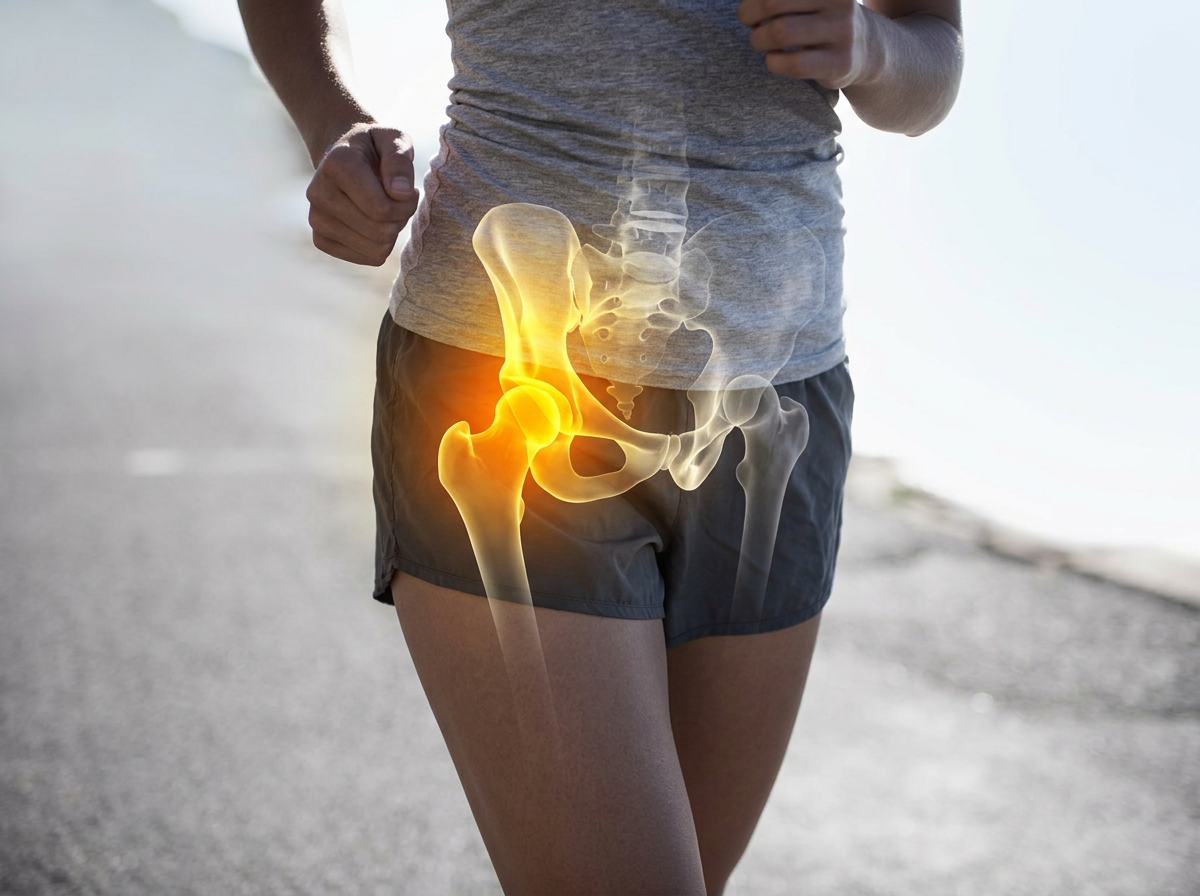
The hip is a ball-and-socket joint supported by muscles, tendons, ligaments, and surrounding tissue. Two people may experience pain in the same area but need completely different treatment approaches.
Common causes and contributing factors include:
Hip Bursitis and Lateral Hip Pain:
Pain on the outside of the hip is often described as hip bursitis. It may also involve irritation of the gluteal tendons surrounding the hip. Symptoms can become more noticeable while climbing stairs, standing on one leg, or sleeping on the affected side.
Hip Arthritis:
Changes within the hip joint can contribute to pain, stiffness, and limited movement. Symptoms are often felt in the groin or front of the hip and may make walking, bending, or putting on shoes more difficult.
Although arthritis may appear on imaging, strength, mobility, and movement mechanics also influence how the hip feels and functions.
Hip Labral Injuries:
The labrum is a ring of cartilage that helps stabilize the hip joint. A labral injury may cause deep hip or groin pain, stiffness, or clicking, catching, and locking sensations.
Hip Impingement:
Hip impingement, also known as femoroacetabular impingement or FAI, occurs when the bones of the hip joint make abnormal contact during certain movements. It may cause groin pain or pinching during squatting, sitting, bending, or rotating the hip.
Hip Flexor Strains:
The hip flexor muscles help lift the leg and support movement during walking, running, and exercise. Strain or irritation may cause pain in the front of the hip or groin, especially when lifting the knee, running or climbing stairs.
Gluteal Tendinopathy:
The gluteal tendons help stabilize the pelvis during walking, running, and standing on one leg. Irritation or weakness in these tendons may cause pain on the outside of the hip and difficulty with weight bearing activities.
Pain Referred From the Low Back
Not all hip pain originates in the hip. Problems involving the low back, pelvis, or SI joint may produce pain that is felt in the hip, groin, buttock or upper leg.

Get Back to Doing the Activities You Love - We’re Here to Help at Aim2Move Physiotherapy
Aim2Move Physiotherapy helps people experiencing:
Hip bursitis and lateral hip pain
Hip arthritis and stiffness
Hip labral injuries
Hip impingement
Hip flexor strains
Gluteal tendinopathy
Piriformis and deep gluteal pain
*Pain while walking or running
Groin pain
Pain during squatting or exercise
Pain while sitting or sleeping
Weakness or limited mobility following an injury or surgery
Your Path to Moving Better.
-
1. Discovery Call
Our team will learn more about your pain, goals, and what you hope to return to doing, then help you schedule the best next step.
-
2. Complimentary Discovery Visit
Meet with Dr. Amy for a brief in-clinic movement screen to better understand your concerns and determine whether Aim2Move is the right fit for you.
-
3. Physical Therapy Evaluation and Treatment
During your one-hour evaluation, Dr. Amy will assess your mobility, strength, and movement patterns. Treatment begins during this visit and may include manual therapy, dry needling, StemWave, or targeted biomechanical corrective exercises based on your individual needs.
-
4. Your Personalized Plan
You’ll receive clear recommendations outlining what needs to improve, which treatments may help, and the plan designed to move you toward your goals.