
Master Dry Needling
Reset tight muscles and move better with expert dry needling.
At Aim2Move Physiotherapy, dry needling is used as a part of a comprehensive, one-on-one treatment approach designed to reduce pain, improve movement, and help you return to the activities that matter most. An Initial evaluation is required.
Our clinical services include certification in Master Dry Needling and apply advanced assessment and treatment techniques to address both the source of symptoms and the movement patterns contributing to them.
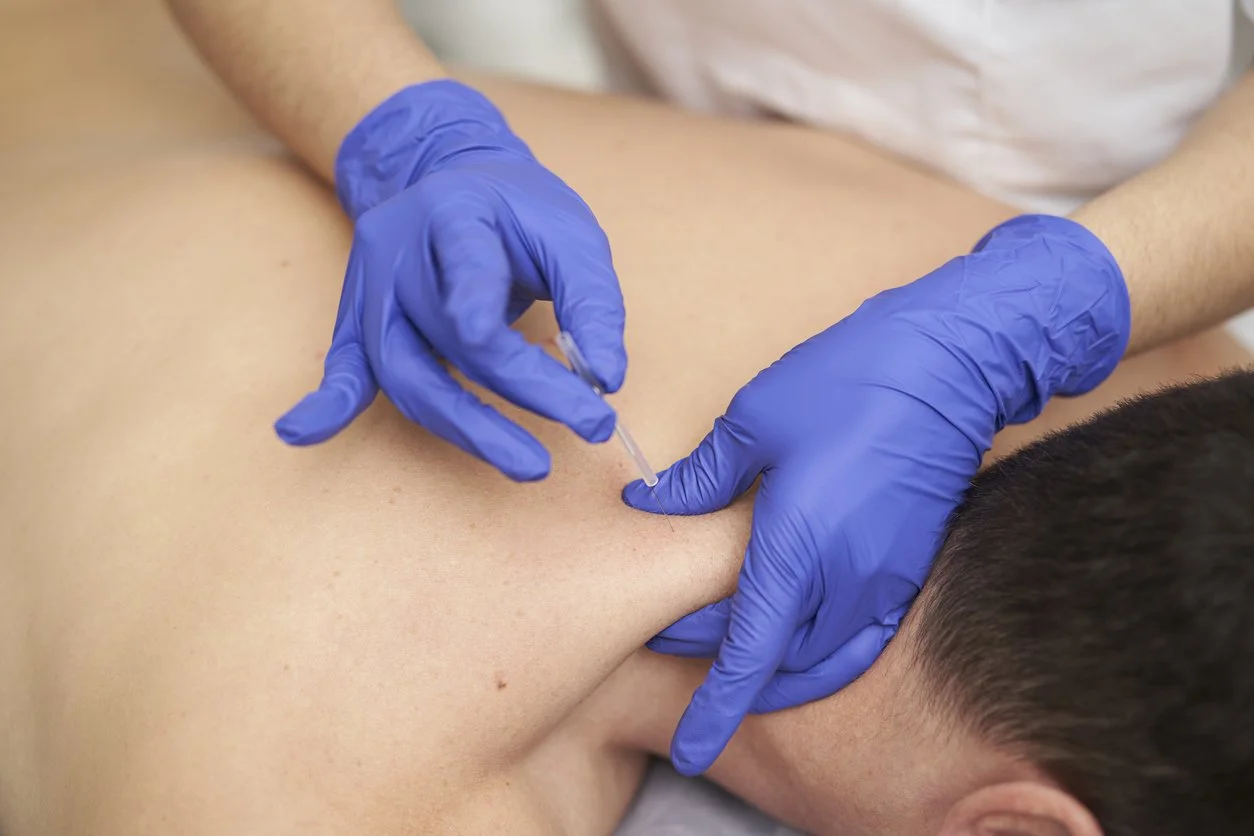
Dry needling uses thin, sterile monofilament needles inserted into muscles and surrounding tissues to create a targeted therapeutic response. Treatment is based on a detailed evaluation and individualized to your goals — not a one-size-fits-all approach.
Dry needling may work through several mechanisms, including:
Neuromuscular Effects — Stimulates muscle and nervous system responses to help improve muscle activation, reduce protective guarding, and support more efficient movement patterns.
Pain Modulation — Influences the body’s pain processing systems and may help decrease sensitivity and discomfort.
Mechanical Effects — Creates a precise stimulus within affected tissue that can help reduce tension and improve mobility.
Circulatory Response — Encourages local blood flow and support the body’s natural healing processes.
Functional Recovery — When combined with exercise, manual therapy, and movement retraining, dry needling can support improved mobility, performance, and overall function.
Dry needling can be incorporated into treatment for a variety of conditions including:
Neck and back pain
Muscle tightness and trigger points
Headaches and jaw-related symptoms
Shoulder pain
Hip and knee pain
Sports-related injuries
Tendon and overuse conditions
Movement limitations and performance concerns
At Aim2Move, dry needling is rarely used in isolation. Your treatment session may also include manual therapy, biomechanical corrective exercises, mobility work, education, and personalized movement strategies to create lasting results — not temporary relief.